
The Gambia charts a path to data-driven education with DHIS2
Ministry of Basic and Secondary Education utilizes partnerships and learner-centered data systems to fuel evidence-based planning
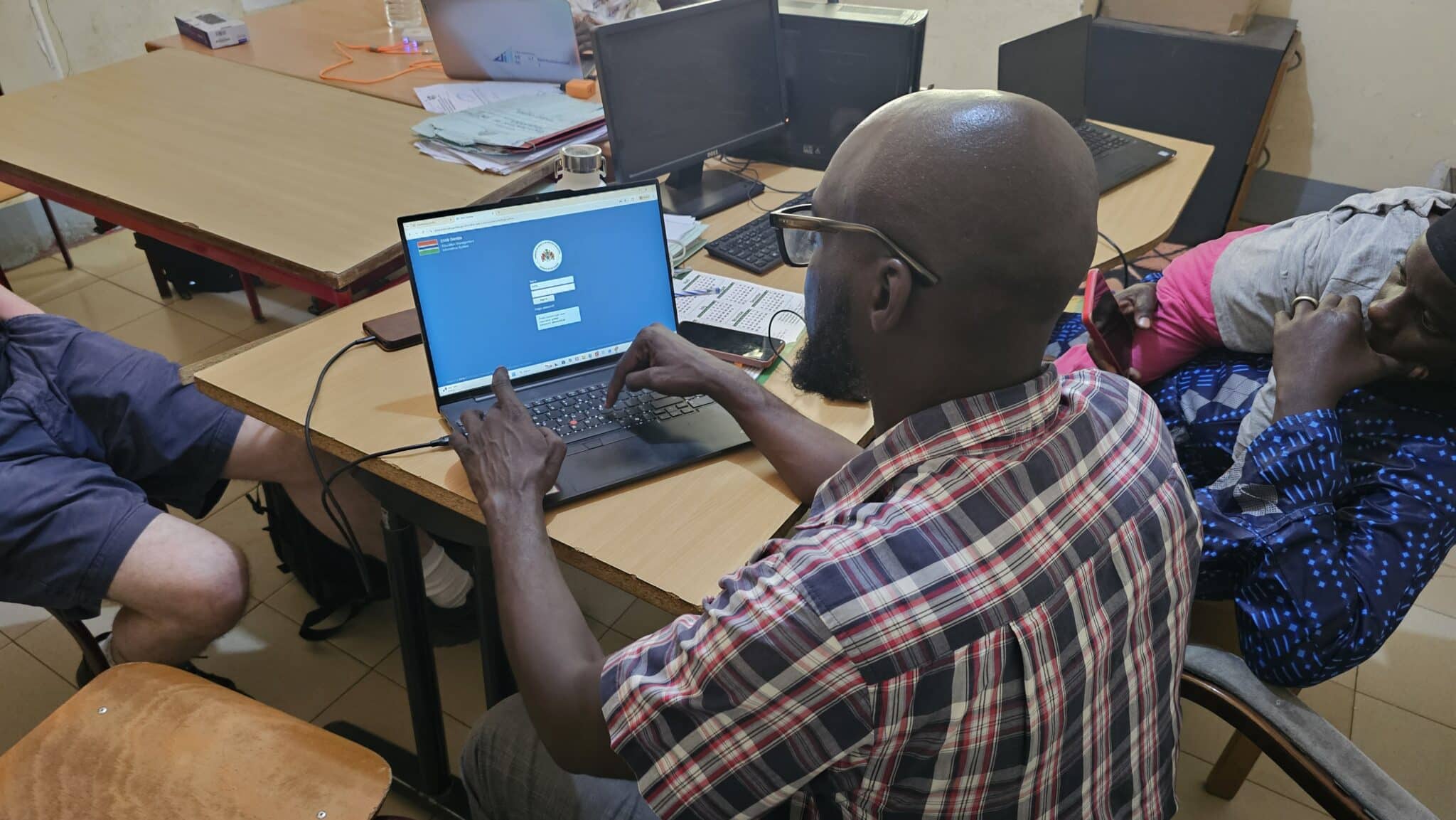
The Gambia’s experience in rethinking how education data is generated and used offers a compelling model for countries across Africa looking to build real-time, learner-focused education management information systems (EMIS). Central to this transformation has been the adoption and expansion of DHIS2 for Education, an open-source data platform that enables flexible data collection, analytics, and visualization across the education sector.
A recent blog from the Global Partnership for Education (GPE) highlights The Gambia’s journey, noting that the shift to more dynamic data systems reflects strong political leadership and cross-sector collaboration to improve data quality and use. The government of The Gambia, led by the Ministry of Basic and Secondary Education (MoBSE), has been steadily shifting from traditional aggregate data systems toward dynamic dashboards and individual-level learner tracking using DHIS2-Ed—the education-focused version of the familiar open-source DHIS2 platform. This shift allows MoBSE and partners to move beyond static annual reports toward timely information that supports planning, monitoring, and local decision-making.
At the heart of this reform is live data that updates as schools enter their information, giving policymakers, regional officers, and school leaders access to current data on enrolment, attendance, performance, and equity indicators. Principals and parents can also view School Report Cards derived from the DHIS2 system, strengthening community engagement by making data actionable at the local level.
This approach to education data is supported by strong leadership, collaboration, and capacity building. The Gambia’s reforms have grown through partnerships with the Global Partnership for Education (GPE), the University of Oslo’s HISP network, and regional partners under the GPE Knowledge and Innovation Exchange (KIX), which helped promote DHIS2-based innovations that bridge systems and stakeholders.
Key takeaways from The Gambia’s experience include:
- Begin with simple wins—such as transforming existing annual data into real-time dashboard views—to galvanize system users and leaders.
- Use DHIS2’s flexibility to move progressively from aggregate counts to individual learner records, deepening the system’s usefulness for equity monitoring and targeted interventions.
- Engage communities and education stakeholders by making data transparent, accessible, and useful beyond central agencies.
The Gambian case shows how an open-source, adaptable platform like DHIS2—grounded in partnership and local capacity building—can shift an education system toward evidence-driven planning and inclusive decision-making. With momentum building, The Gambia is helping inspire other countries to rethink how education data systems support learning outcomes and sector performance.