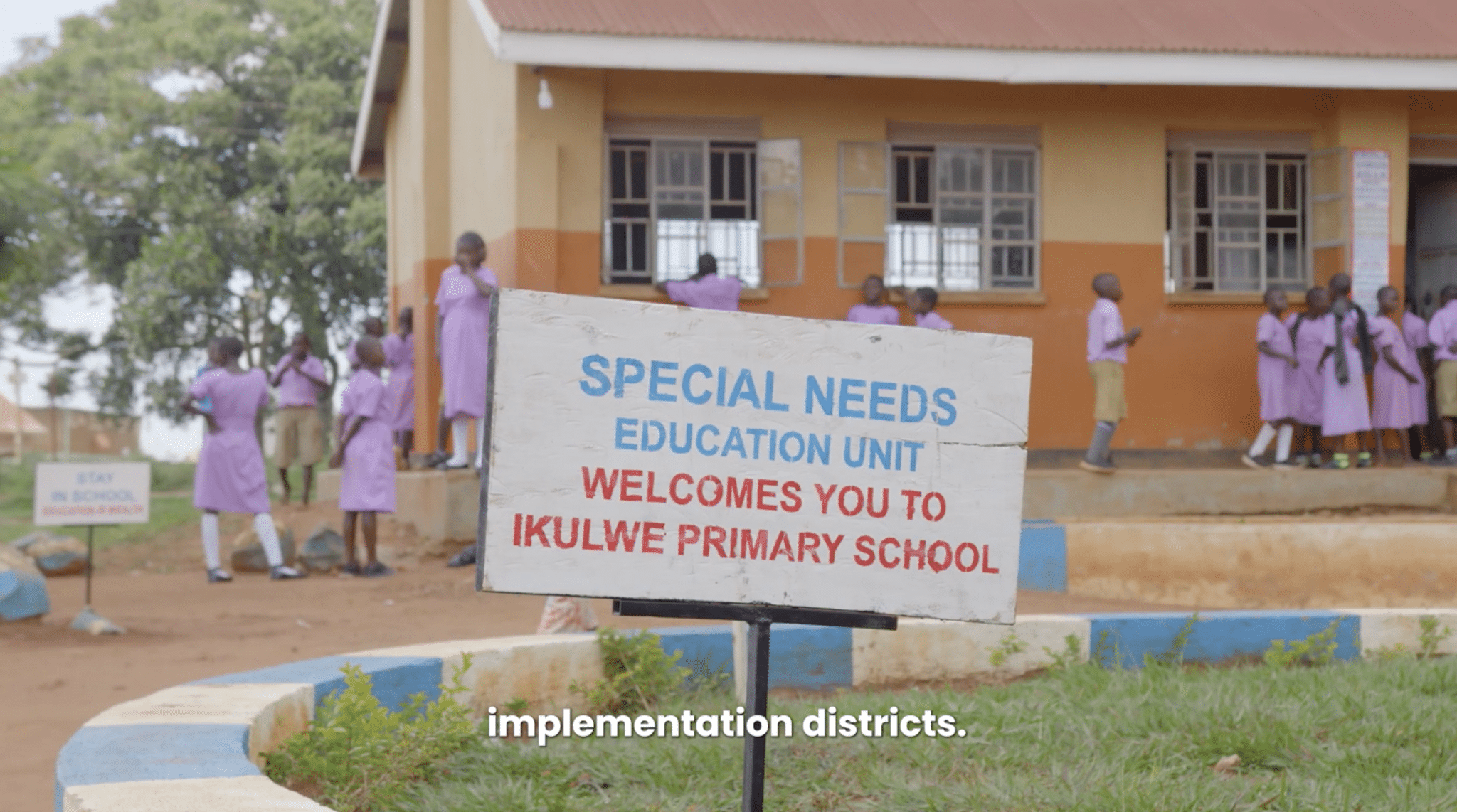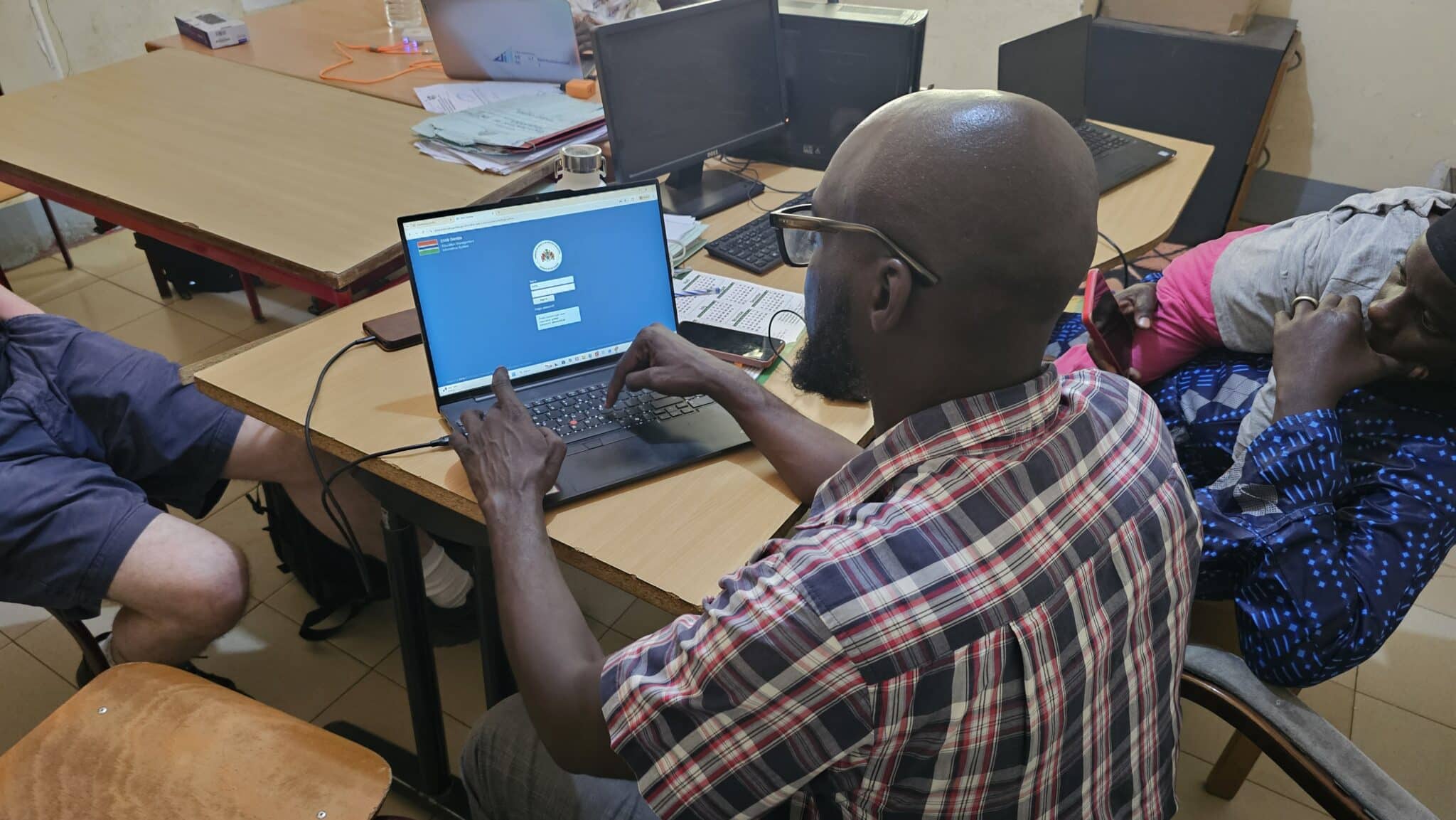

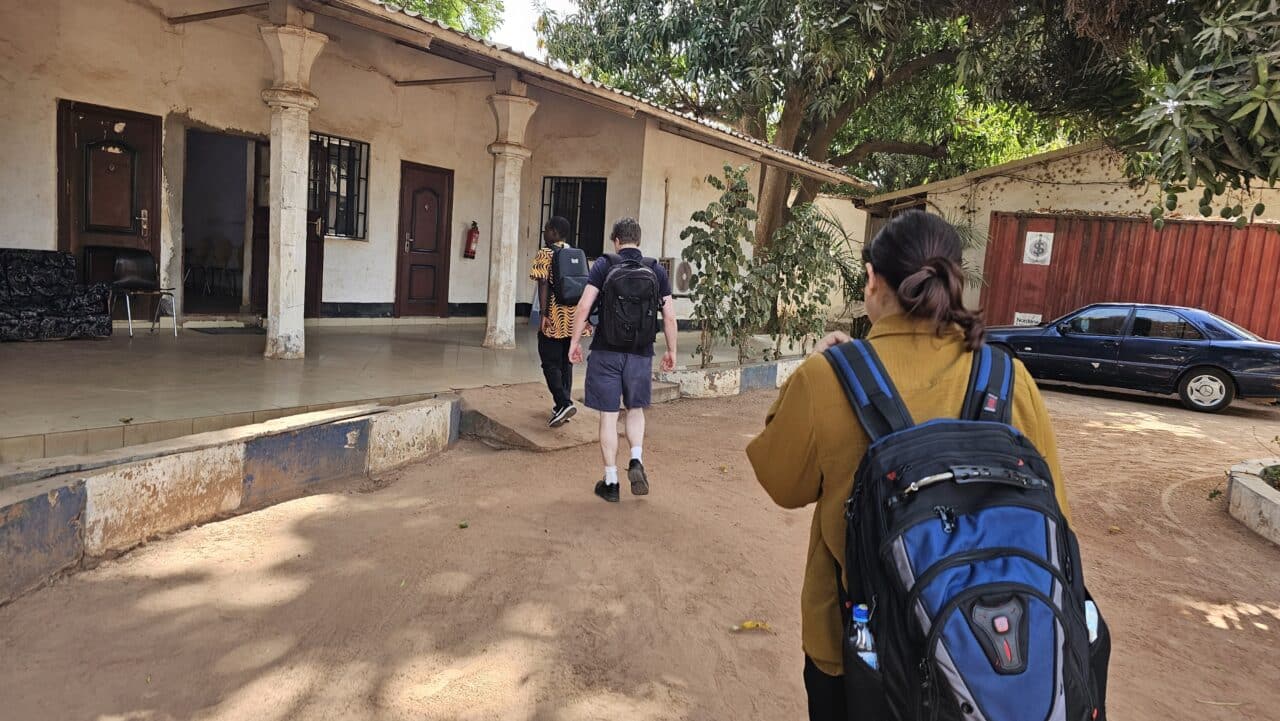
GPE KIX study tour documents what it takes to build an education data system
As this three-year project enters its final phase, travel to The Gambia and Togo reveals what digital education infrastructure actually looks like on the ground—and what it takes to make it work.
There is a gap between how digital education systems are described in policy documents and how they are actually built, adopted, and used. After three years working alongside ministries of education across six African countries, it is apparent that the gap has been under-documented in the field.
This work sits within the GPE Knowledge and Innovation Exchange (KIX) programme, a funding stream that makes space for applied, country-grounded work. The project, “Empowering Districts and Schools with Data,” has used that space to work on a question central to the DHIS2 for Education agenda: how do you get data into the hands of the people who actually need it—district officers, regional planners, school managers—rather than keeping it consolidated at the centre?
That is harder than installing software. HISP’s approach has always been action research, with sustained presence inside real systems, working alongside the people building and using them.
Rooted in the field
The study tour draws on three years of accumulated evidence, from PhD researchers and master’s students embedded in partner countries, from implementation teams working in the field throughout the project, and from ongoing cross-country exchanges. University of Oslo Associate Professor Terje Aksel Sanner, who led the Gambia visit, was in Banjul the same week to work with MoBSE and students on the University of The Gambia’s Education Management Information System (EMIS) master’s programme—a course that now has a cohort of education data practitioners where there were none a few years ago.
The project concludes in November 2026. Across the countries involved, with various languages, systems of different sizes, and implementations with both individual-level and aggregate data—we have been documenting how the same platform is used very differently depending on the ministry context. The country visits are where that comparison becomes concrete.
What we found in The Gambia
The Gambia is the project’s most developed implementation, with a national EMIS running on DHIS2, built over several years in close partnership with the Ministry of Basic and Secondary Education (MoBSE). At regional level, the system is in active daily use, as planners work with attendance dashboards and enrollment data to identify non-reporting schools, track trends and estimate resources needed for new and expanding schools. What is not, yet, is decision-making authority. Regional users can create and modify their own local dashboards, either from scratch or by adapting public ones, giving them meaningful analytical flexibility. The central EMIS team maintains control over the public dashboards to ensure consistency and prevent unintended alterations, but this is a governance arrangement rather than a hard technical limit.
At school level, the gap is wider. Data clerks enter the annual census and staff profiles and head teachers rarely open dashboards. The system as it currently stands, gives school staff little reason to. The exception is telling however – where dashboards display results that are directly relevant to a school’s own students, like the Grade 3 and 5 national assessment results, staff engagement is noticeably higher.
What we found in Togo
In Togo, where the project is known as SIGE (Système d’Information pour la Gestion de l’Éducation), DHIS2 was not a replacement, but was added on top of an already functioning statistical infrastructure based on CSPro, with StatEduc for the annual school census. How those layers interact, and whether the DHIS2 analytical layer is actually shifting how decisions are made, was the central question.
The team met with Permanent Technical Secretary Pr. Sena Yawo Akakpo-Numado and Head of Statistics Division Efoé Gbetoglo. The conversation covered what data collection looked like before DHIS2 and what has shifted since, grounded enough in operational detail to go well beyond the usual meeting exchange. Jerry Aziawa, Director of Implementation at HISP West and Central Africa, who has driven the Togo implementation from the start, was in the room throughout.
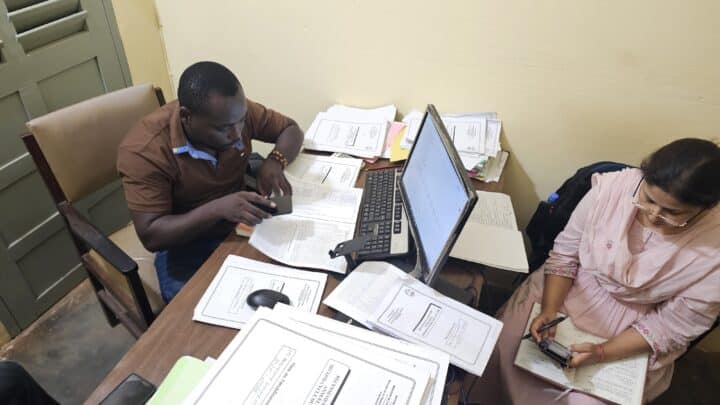
At the regional level, we saw the clearest evidence of the system working: staff using dynamic tables, dashboards, and maps to work out where to send teachers, address furniture shortages, and prioritise school construction. At inspection level, the picture was more constrained—training done years ago and not refreshed, devices in short supply, and observation tools that asked more of inspectors than a single classroom visit realistically allows.
The constraints are mostly not technical. When validated data reaches DHIS2 weeks after collection, it cannot support in-year decisions at district or school level. Training that reached only a few staff at each level compounds that. The platform’s potential for decentralized use is real, what limits it is timing, coverage, and whether the tools were designed around actual working conditions.
A second question we are investigating
The study tour is also scoping uptake of the Education Data Toolkit, and specifically its SDG4 reporting layer. The toolkit was built through this project to let ministries consolidate, analyze, and report SDG4 indicators directly within DHIS2, without exporting to other systems.
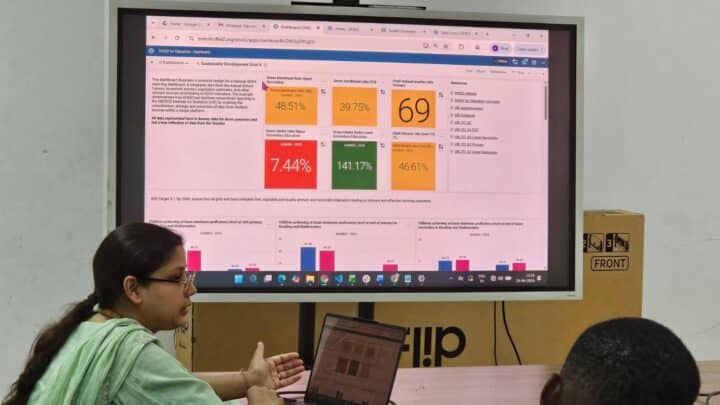
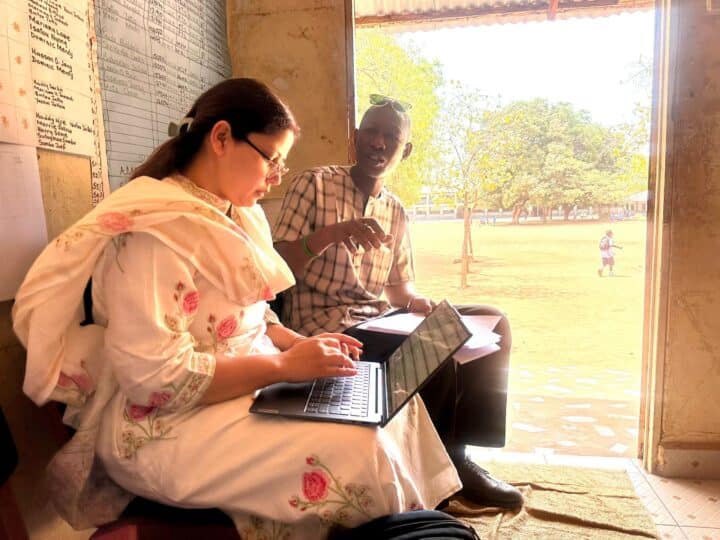
In Togo, DHIS2 Training and Implementation specialist Kirti Thakur walked through the SDG4 dashboard with ministry staff, showing live Gambia 2025 data like enrollment rates, pupil-trained teacher ratios, and learning proficiency breakdowns. The response was substantive, and included questions about how the data was structured, what the indicators mapped to, and whether a similar view could be built for Togo. Each country visit is a chance to find out whether that kind of engagement reflects genuine uptake or just novelty.
What comes next
Country-specific posts will follow, covering what the team documented, where the implementation is strong, and where it is still finding its footing. The Francophone/Anglophone comparison runs through all of it: Togo and The Gambia are running the same platform in very different institutional environments, and the differences are as informative as the similarities.

These articles provide a record of what it actually takes to build education data infrastructure, which turns out to be a more useful thing to document than whether the infrastructure, once built, produced the outcomes it was supposed to.
ABOUT THIS SERIES: This is the first in a series of posts documenting the GPE KIX study tour for the project “Empowering Districts and Schools with Data.” The project is coordinated by the HISP Centre at the University of Oslo and concludes in November 2026. Country-specific posts will follow.