

Building a Smarter Education Data System in Lesotho with DHIS2
The Ministry of Education and Training is replacing its paper-based data collection process with LEMIS, a national education management information system built on DHIS2, covering 4,819 institutions and spanning early childhood through tertiary education, through a partnership with UNICEF and HISP.
Education data collection in Lesotho has historically been a lengthy and largely manual process. Schools complete paper-based forms, submit them to district offices, and wait as the Ministry undertakes a verification and data-entry process that can take months to complete, often relying on temporary staff hired specifically for the task. By the time national-level data is available for planning, the school year this data describes is already over.

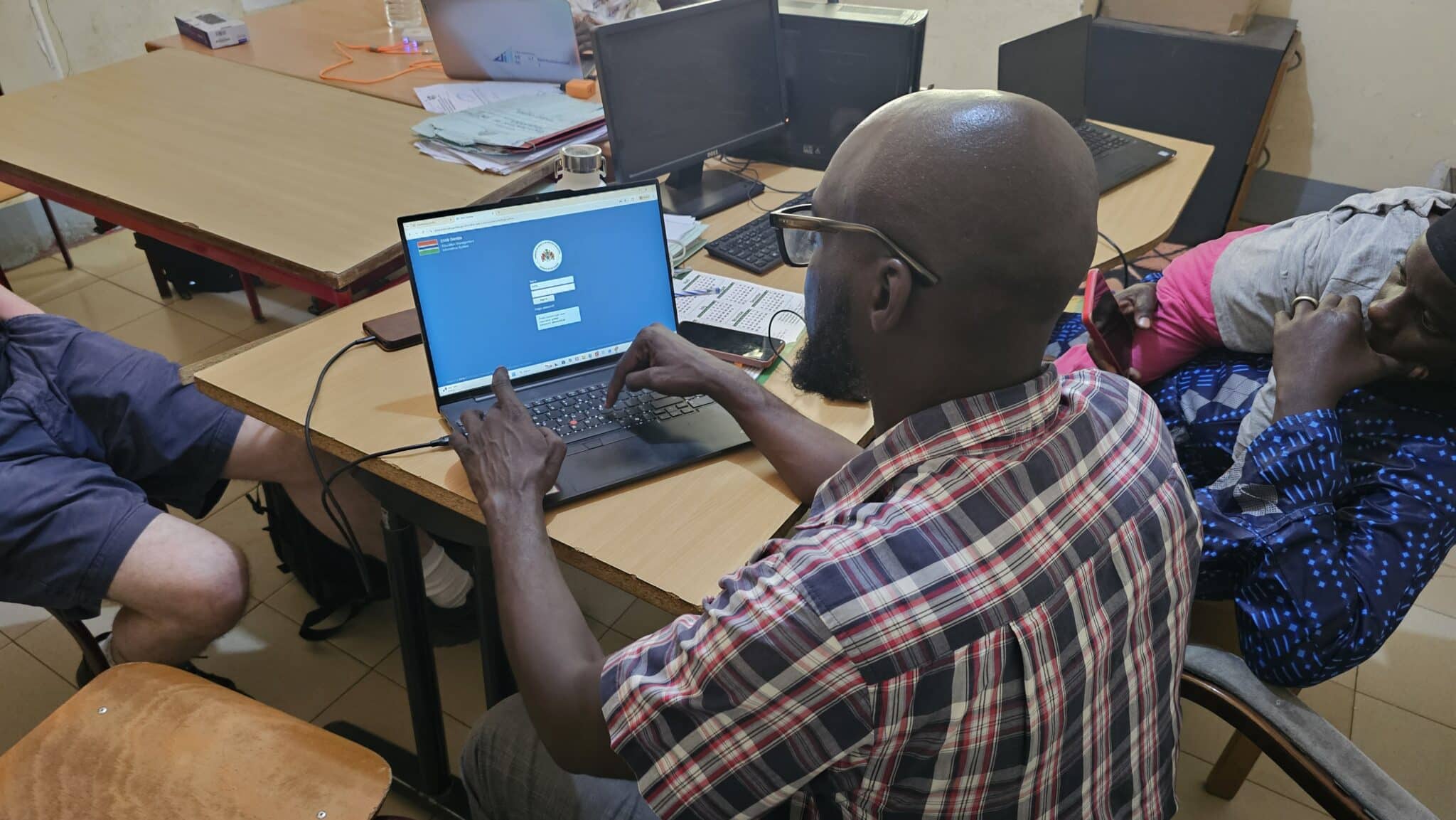
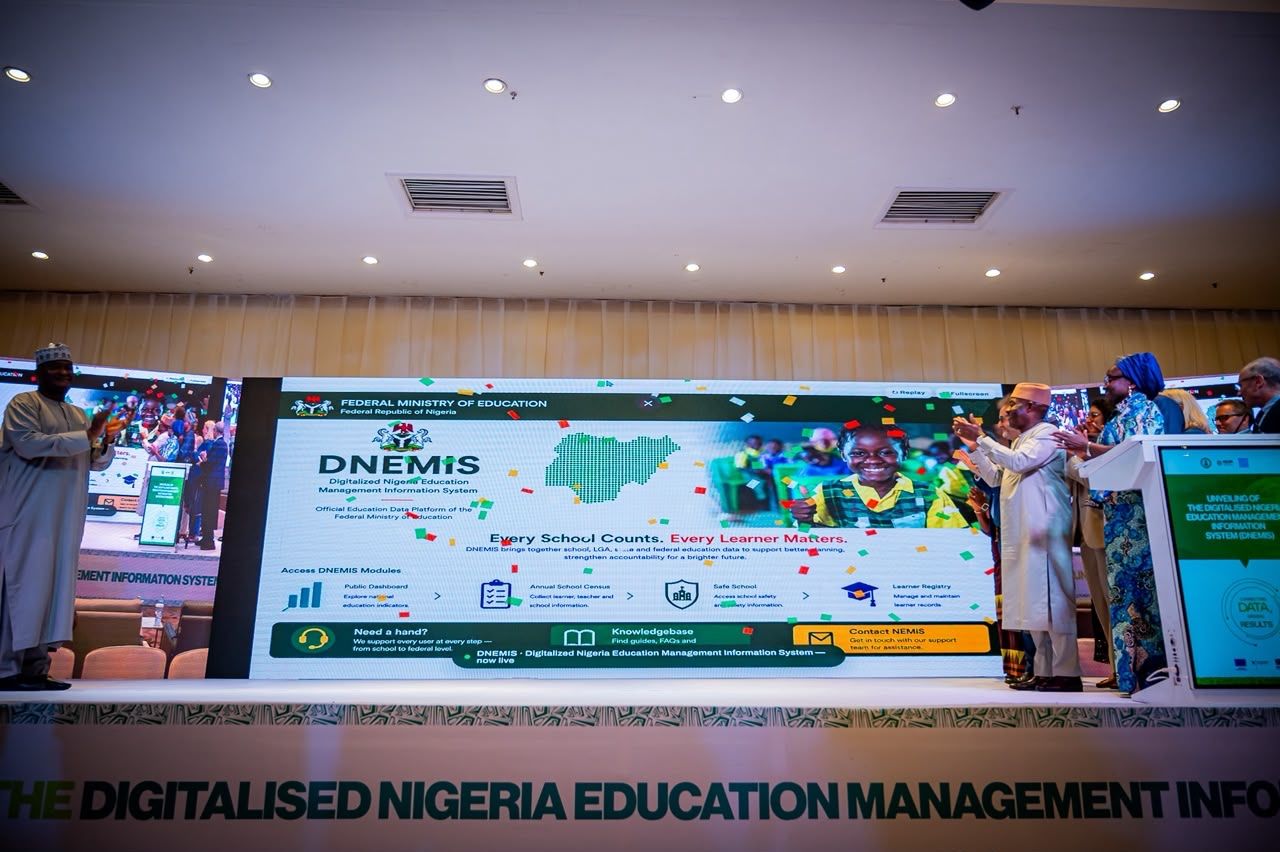
Recognizing the need for a faster, more efficient and nationally-owned system, the Ministry of Education and Training (MoET), with support from UNICEF Lesotho, began an ambitious transition in September 2025 to modernize the country’s education data system. Through a partnership with the HISP Centre at the University of Oslo (HISP UiO), HISP South Africa and HISP Uganda, MoET is developing the Lesotho Education Management Information System (LEMIS), a platform built on DHIS2 technology, that aims to strengthen how data is collected, managed and used across the country.

Getting the foundations right
The first few months were about understanding before building. In October 2025, the HISP team traveled to Maseru for a requirements-gathering mission, sitting with MoET staff, reviewing the existing data collection tools, and visiting schools to see how data actually moves at the ground level. A system blueprint was drafted, reviewed, and signed by MoET and UNICEF before any configuration began.
Development started in November, with the importing of the national school master list—the organizational backbone of LEMIS—containing a total of 4,819 institutions, including 2,860 ECCD centers, 1,524 primary schools, 373 post-primary schools, 17 tertiary institutions, and 45 TVET institutions. Data entry forms were built to align with Lesotho’s revised EMIS tools. Then, MoET staff tested the system and provided feedback, and the HISP team incorporated that feedback before training began.
The system has been configured with 2,426 data elements and 1,243 indicators, covering the full span of Lesotho’s education system from early childhood through to tertiary level, and aligned to the national Education Sector Strategic Plan and SDG4 reporting.
The technical team has worked closely with UNICEF throughout the implementation, from requirements definition through testing, to ensure the system meets program needs—an example of sustained partner engagement that supports effective DHIS2 implementations.
Strengthening national capacity
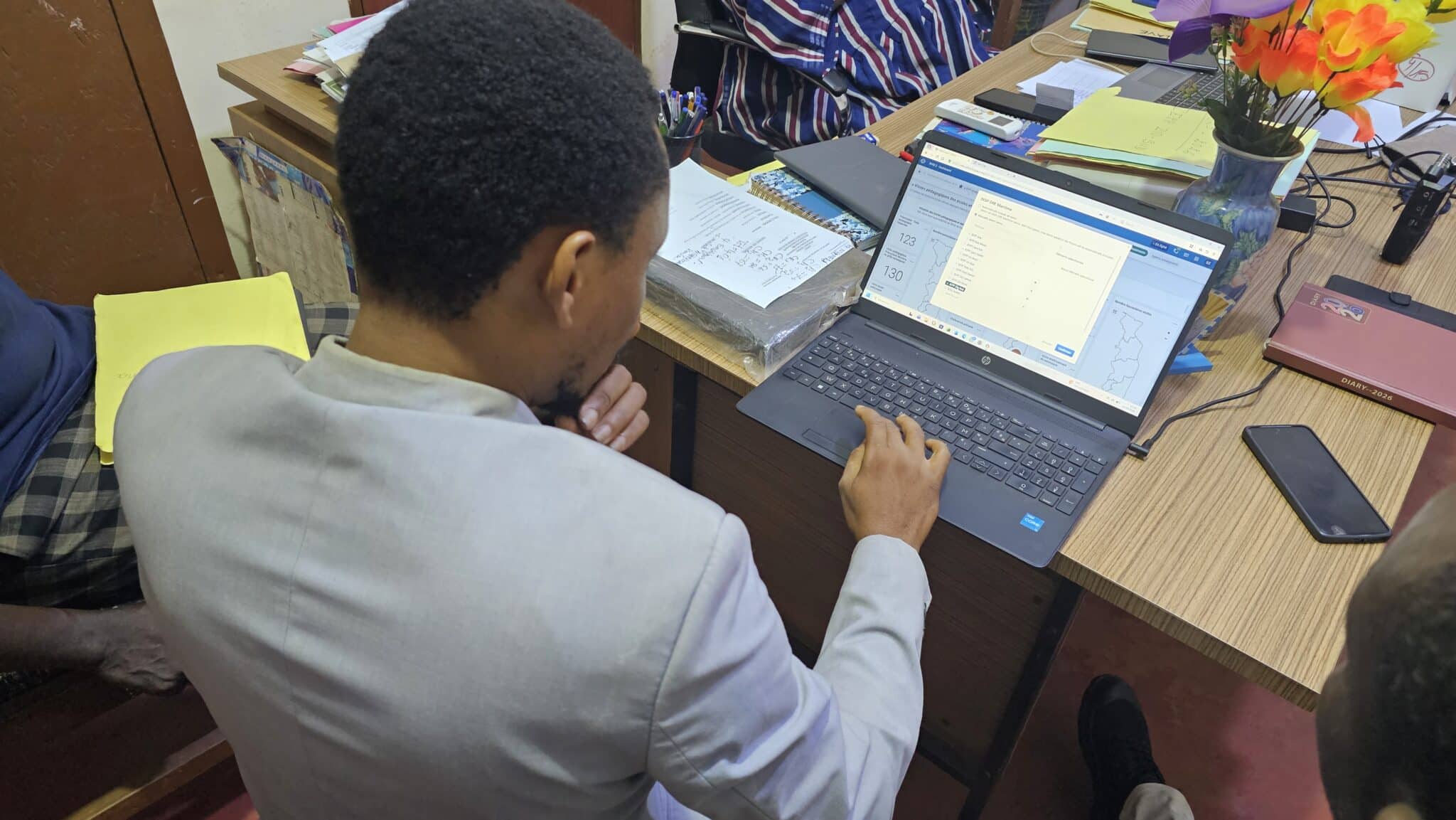
A key focus of the initiative has been ensuring that the Ministry has the capacity to independently manage and sustain the system. In March 2026, 24 MoET staff went through three and a half weeks of hands-on training, which was organized in three tracks, designed around different Ministry roles and responsibilities. For example, the IT team learned server administration, backup and recovery, and how to manage the LEMIS instance independently. Statistics and planning staff worked through data entry, validation, and analytics, building and presenting their own dashboards by the end of the week. A third group focused on system configuration, how to build and adapt the system as needs evolve, working through datasets, indicators, tracker programs, and validation rules. Participants in each of the three tracks completed knowledge-check quizzes at the end, to measure what they had learned.

Looking ahead
While LEMIS is not yet live for nationwide data collection, preparations for the rollout are well underway. Annual statistical forms have already been finalized and are ready for printing, while the district- and school-level rollout activities take place in May. Alongside the system build, MoET is working on the governance frameworks that will sustain the system, including access policies, metadata standards, and a data governance framework that draws on approaches used in other DHIS2 countries.
When LEMIS goes live, the contrast with the current process is expected to be significant. Besides eliminating the costs for hiring temporary data-entry workers at the central level, the LEMIS will provide access to timely and reliable data across all levels, reducing the time lag between collection and availability from 6-9 months to near real-time.
In June 2026, a MoET representative will travel to the University of Oslo to present Lesotho’s experience at the DHIS2 Annual Conference, the main annual gathering of the global DHIS2 community. It’s the first time Lesotho will be presenting at the conference, and it’s a chance to share what’s been learned in Lesotho with implementers from other countries going through similar transitions.