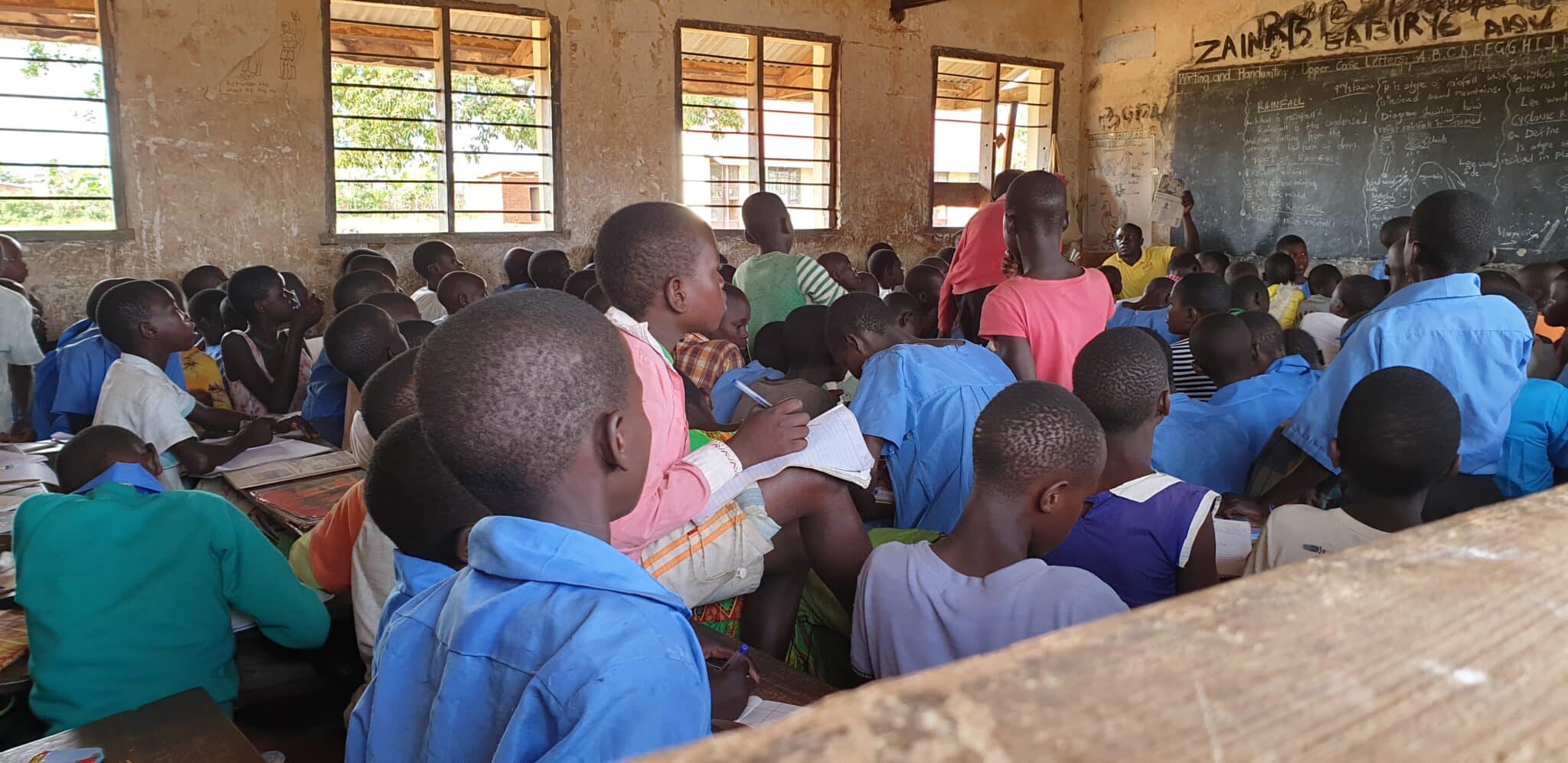


Data: The Power is in the Use
Eswatini’s data journey illustrates what is possible when digital systems are not only implemented but actively used to inform decision-making.
“Data are just summaries of thousands of stories—tell a few of those stories to help make the data meaningful.” – Chip and Dan Heath, authors of Made to Stick: Why Some Ideas Survive and Others Die.
In the past decade, education systems worldwide have undergone a rapid digital transformation. Ministries of Education and other institutions have poured significant resources into building electronic systems, education management information systems (EMIS), school census dashboards and other digital tools to collect and manage education data. The result is an impressive digital infrastructure. Yet in many contexts, these systems remain underused and education outcomes in many cases show little sign of improvement.
Eswatini’s Ministry of Education and Training (MoET) offers a different story. By intentionally turning data into insight, and insight into action, the Ministry is using its digital investments to guide strategic planning, shape policy decisions, and target interventions where they are most needed. Over time, this deliberate approach is posed to make a measurable impact on learning and equity across the country.
Systems are just the beginning
“We are surrounded by data but starved for insights.” – Jay Baer, author of The Time to Win.
Electronic systems are essential tools within the broader data ecosystem, enabling efficient collection, storage and visualization. But technology alone doesn’t drive change. Data only makes an impact when it’s analyzed, interpreted and used to guide planning, policy, and resource allocation.
Timely data is valuable, yet without the skills to interpret and apply it, it remains unrealized potential. Building data literacy alongside a robust education management information system (EMIS) with built-in tools for analysis and visualization, ensures that decision makers at every level can turn information into insight and insight into action.
Implementing DHIS2 for Education in Eswatini
The MoET in Eswatini is in the process of modernizing its EMIS and implementing DHIS2 for Education—the free, open-source platform for education data that is now the fastest-growing EMIS in Africa. The transition began in 2020, replacing a largely centralized and aggregate MS-Access–based system with a more flexible, decentralized, and analytics-driven platform.
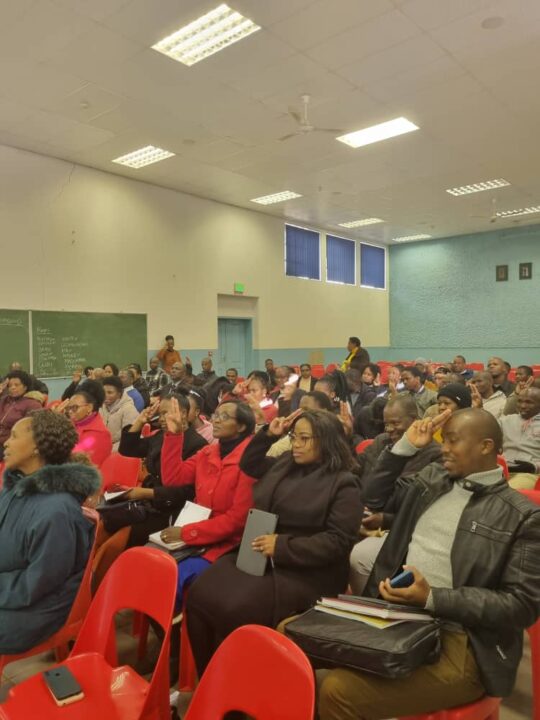
The DHIS2 implementation supports both school-level and learner-level data, introduces the use of unique personal identification numbers (PINs), and enables more timely reporting and verification of information.
This investment is part of a broader national effort to strengthen evidence-based planning, improve data quality, and streamline reporting across the education sector.
Building capacity & local ownership
A central lesson from Eswatini’s experience is that sustainable change depends not only on digital tools but on people; their skills, confidence, and ownership of the data with which they work. Real value is felt when everyone along the data chain understands why data is collected, how to ensure its quality, and how to use it to inform decisions that matter to the education sector.
Take for instance, a head teacher entering data on enrollment, staffing, and infrastructure without knowing how that information shapes national planning. Without that understanding, errors can easily creep in, including underreporting, overreporting, or simply disengagement. But when that same head teacher knows that the figures influence whether more teachers are deployed or more desks purchased, data entry becomes meaningful. Accurate data, in turn, drives better decisions.
This connection between data and decisions is at the heart of the HISP approach: building local capacity, transferring knowledge and ensuring that systems are not externally dependent but locally owned and sustained. In Eswatini, this philosophy guided implementation from the start. Capacity building went beyond technical training, but empowered users to analyze, visualize, and interpret their own data.
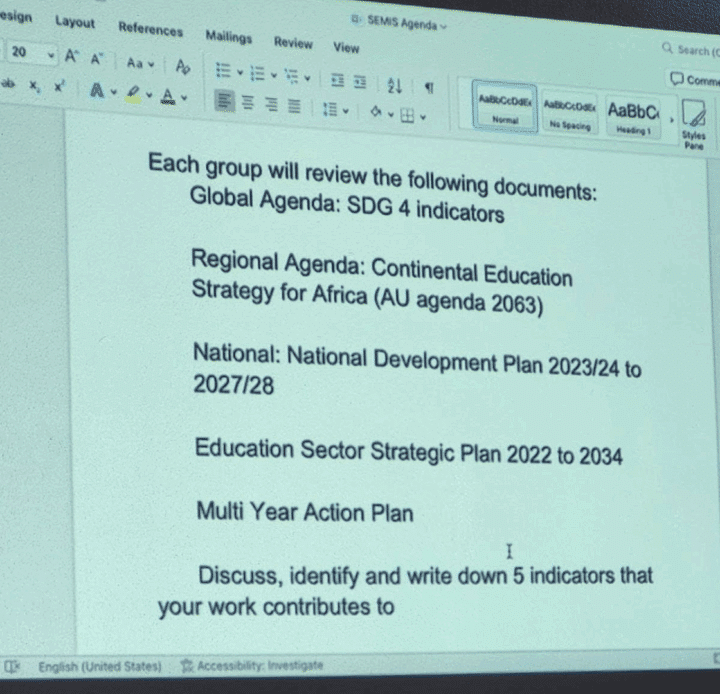
Hands-on workshops at both central and regional levels in Eswatini helped teams generate timely insights and apply them to planning, monitoring and reporting. A standout example was the training for Regional Inspectors of Schools, which demonstrated how data can directly support progress tracking against national and continental priorities: from Eswatini’s Education Sector Strategic Plan and National Development Plan to SDG4 and Continental Education Strategy for Africa (CESA) reporting.
The EMIS Unit at MoET Eswatini has taken an extra step by organizing regular webinars for system users. These sessions are designed to keep users informed about the latest system developments and to reinforce key concepts related to data entry, data validation, extraction, and visualization. Additionally, there are plans to host a dedicated webinar focusing on Education Key Performance Indicators (KPIs).
When Systems Exist but Data Requests still Persist
Even with a fully operational EMIS, it is still very common to see routine data requests sent to schools for information that already exists in the system. This practice not only duplicates effort but places an unnecessary burden on schools and districts; effort that could be avoided if stakeholders simply accessed the EMIS directly. This also highlights the critical need for key stakeholders, both within the Ministry of Education and other ministries, to fully embrace and understand the value of the EMIS. This includes recognizing its capabilities and functionalities, as well as the types of data it holds, and ensuring that users have appropriate access to the system to make effective use of the available information.
In Eswatini, the MoET has moved beyond this pitfall. Key stakeholders understand the EMIS’s capabilities, the data it holds, and how to extract it. For instance, the EMIS team was recently asked to provide a list of learners receiving bursaries for orphans and vulnerable children for 2026 planning. Because the EMIS captured detailed information, including orphan status, bursary type and source, amounts and allocation, the team could quickly generate the requested insights. The example shows how we can save time and reduce administrative burden. The EMIS also served as the source for Eswatini’s 2022 UIS reporting, providing key indicators such as enrollments, repeaters and staffing, further proof of a system’s relevance when it is actively used.
From Data to Action: Creating a culture of data use
Imagine a situation where the system shows that there is a rising number of learners dropping out of school due to teenage pregnancies. The system has done its job, as it shows a trend. But then what’s next? Are the district education officers convening to understand and address the issue? Are policymakers prioritising it in their interventions? Without follow-up actions, the insight is just noise – no impact, no change.
Within Eswatini, the EMIS has been used for staff allocation to schools (school rightsizing). Given that in both the aggregate and individual level data capture, one is able to know the number of staff available in the schools, the MoET has been able to routinely monitor the number of staff they have in the schools in comparison to the enrolment within the schools. As such, the ministry has been able to easily identify the areas that have a high pupil-teacher ratio and allocate teaching staff accordingly.
The use of the data and follow-up actions on the data collected has brought about more interest in the system in the country and, therefore, more support for it.
The real power lies in building a culture of data use, where every stakeholder, from ministry officials to school administrators, sees data not just as numbers, but as narratives that point to problems that need solving and progress that deserves celebration. To get there, we need to have:
- Continuous capacity building: Training to equip stakeholders with the skills and confidence to interpret and use data effectively. Users must be able to translate data into insights and insights into actionable steps.
- Strong leadership commitment: Leadership must champion and prioritize data-driven decision making. Decisions based on data foster a culture of transparency and accountability.
- Communication channels: Leveraging platforms like WhatsApp groups and communication channels to disseminate data, as this will raise awareness of the availability of the data and its relevance.
- Proactive dissemination of insights: Regularly generating and sharing visualizations, infographics, or summary reports with stakeholders can stimulate and increase demand for data.
- Public dashboards: Publishing education data through accessible dashboards will also promote public awareness and encourage communities to demand accountability. This level of transparency can help shift decision-making away from political influence and toward evidence-based approaches.
- Stakeholder engagement: Presenting educational data at stakeholder engagements, such as PTA meetings, SMC meetings, community events, and other relevant gatherings, ensures that data becomes a central part of local planning and accountability conversations. This could be done through innovations like the school report card.
- Data digests: Routinely extracting an area of the data and sharing it either on communication channels or doing brief videos about it could also increase the interest in the data, therefore bringing more relevance to the information systems.
In the end, systems are only as effective as the people who use them. While electronic platforms are a critical foundation, it’s the human decisions that follow that determine whether education systems will truly improve. And the people need the skills, mindset, and institutional support to use the data that systems provide. Eswatini is making commendable progress towards improving education outcomes by recognizing the value of its EMIS and actively utilizing education data to inform decisions and drive meaningful change.