
Stop Buying Products, Start Hiring People: Reflections on ADEA 2025
The ADEA Triennale highlighted a major shift in education data systems, showcasing how countries are moving from static EMIS models to adaptable, open-source, people-centered approaches that strengthen governance, interoperability, and local capacity across ministries and districts.
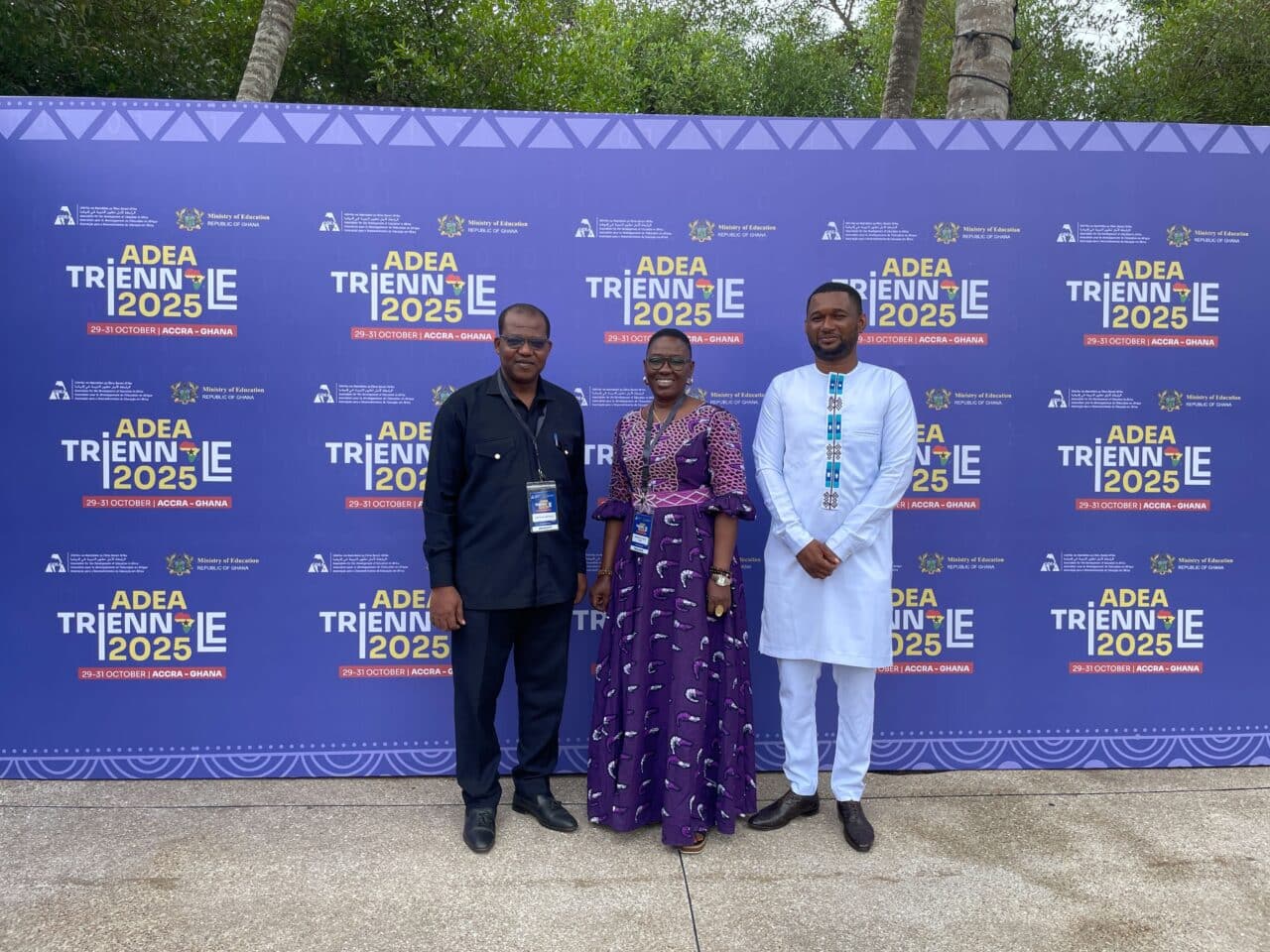
As the dust settles on last month’s ADEA Triennale in Accra, it has become increasingly clear how dramatically the education data landscape has evolved in recent years.
Major education conferences can often feel like a blur, but this event stood out for the substance taking place in side-event discussions. Data panels, which are sometimes dominated by dense charts and vendor pitches for the next software solution, took on a markedly different tone—thanks in part to foundational work from ADEA and GPE KIX research. The long-anticipated shift from EMIS 1.0 (traditional, static reporting) to EMIS 2.0 (dynamic, integrated, and genuinely useful systems) is finally taking shape.

The EMIS Shift
For decades, education management information systems (EMIS) functioned as repositories where data was collected, distrusted, and left to stagnate. Annual counts of desks and student head counts were recorded, filed, and rarely used.
Accra showcased a different reality. Ministries of Education demonstrated how open-source platforms can be adapted to meet national priorities.
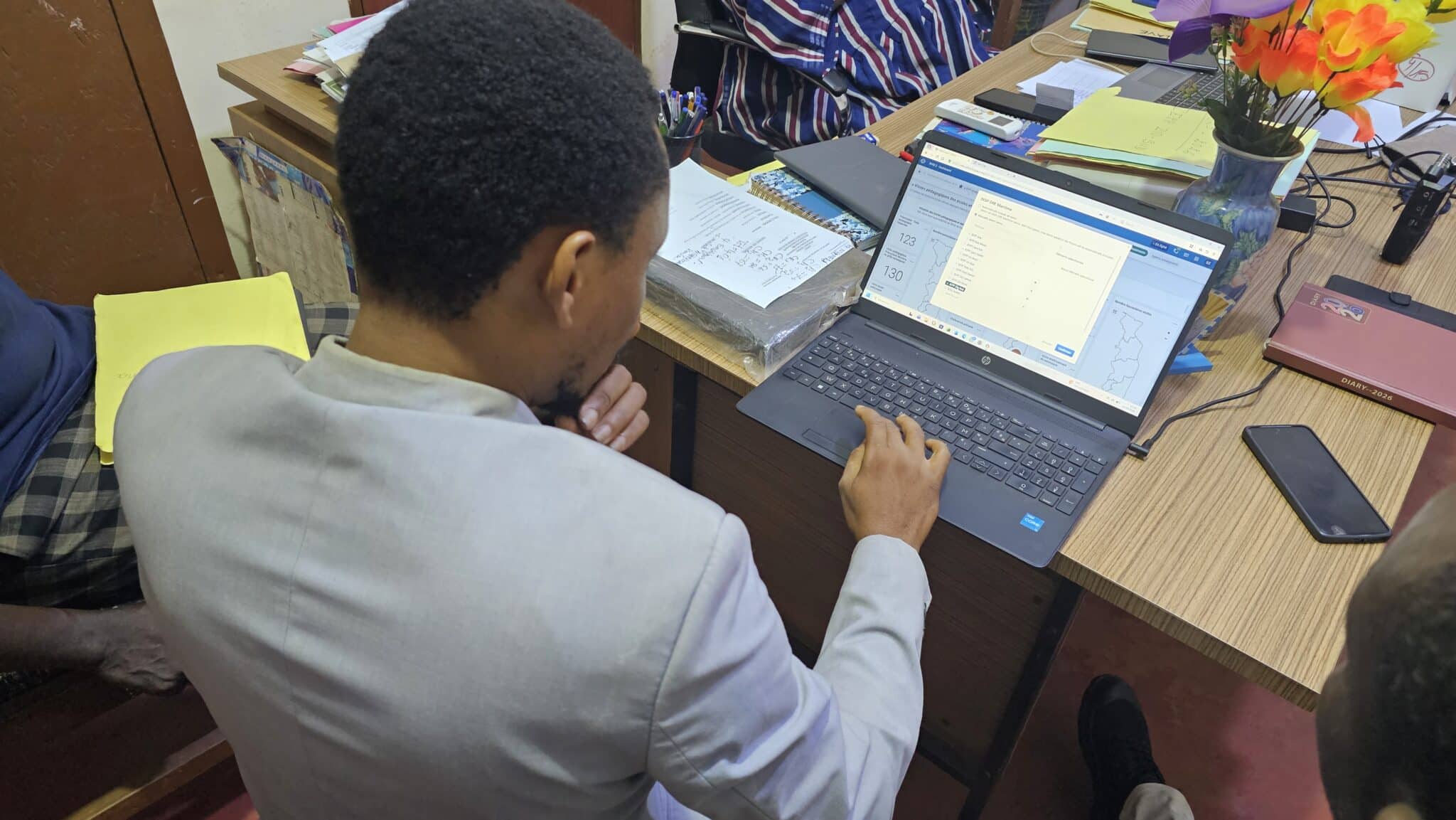
One example came from Alex Gbeteglo, head of statistics in Togo. Rather than presenting dashboards or software features, he illustrated what happens when a country fully owns its source code. Free from proprietary vendor constraints, his team built tools tailored to their specific needs:
-
Digital school observation tools for real-time monitoring of education quality.
-
Deep system integrations, linking StatEduc with DHIS2 and MICS EAGLE for a comprehensive sector view.
This was not mere data entry—it was a Ministry responding to its unique challenges without needing vendor approval.
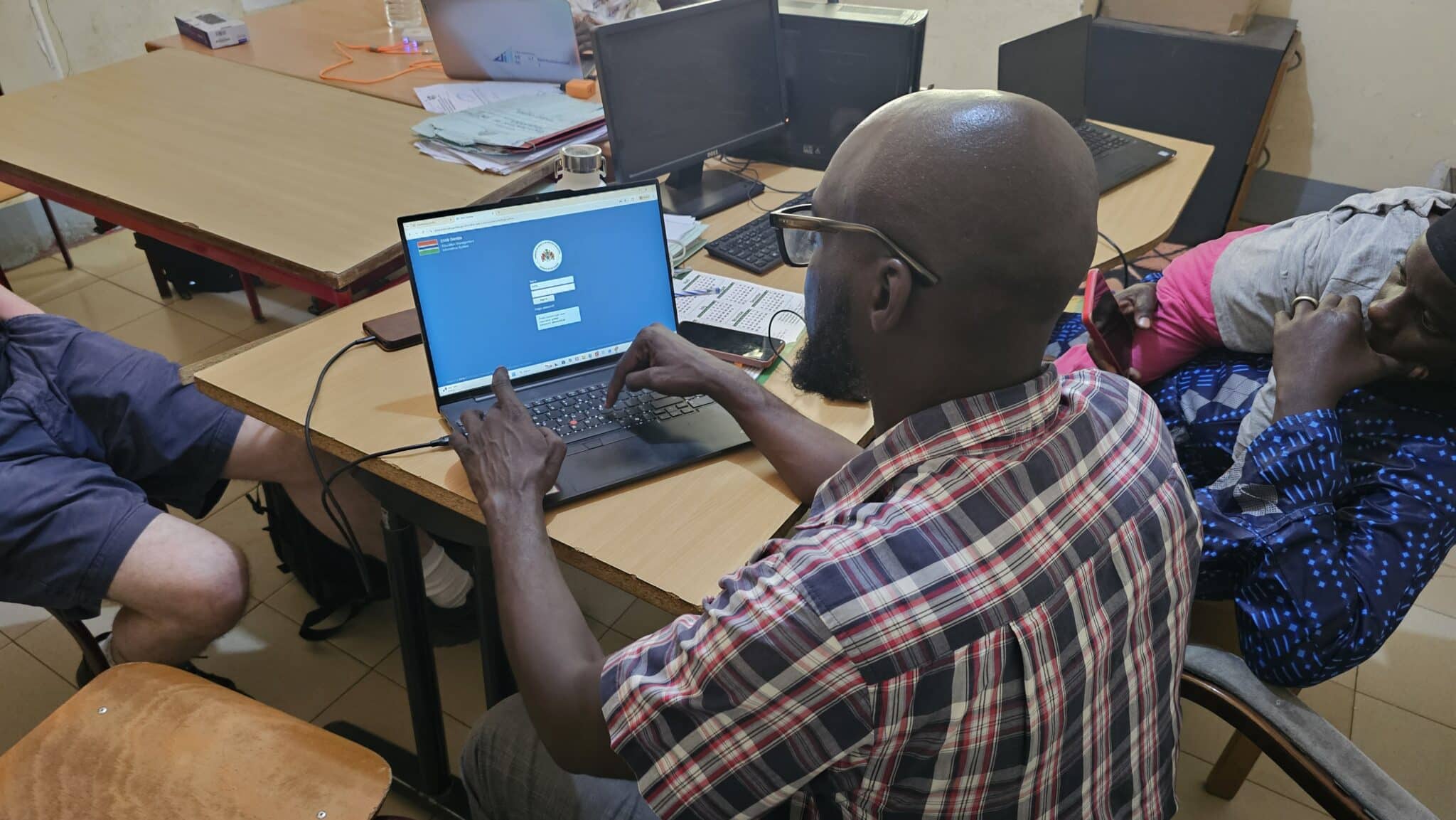
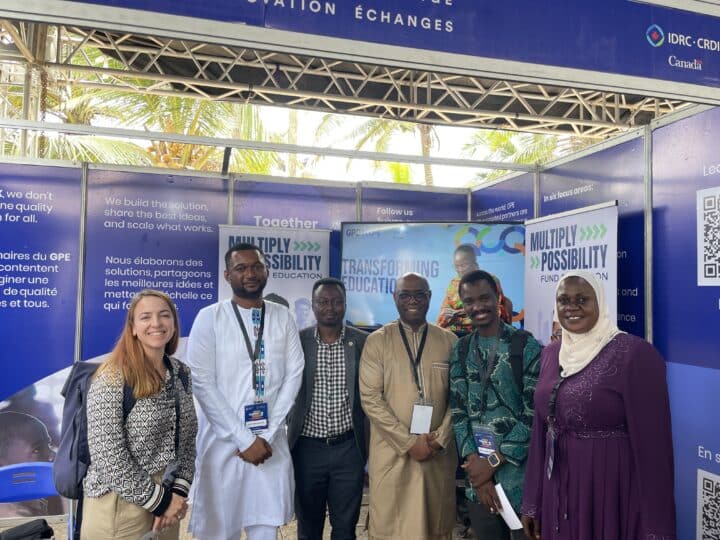
A similar story emerged from The Gambia through Seedy Ahmed Jallow, who demonstrated the transformative power of interoperability. By linking EMIS with other government systems, The Gambia is breaking down data silos and enabling meaningful cross-sector planning.
From Ministry to District
A standout moment involved the Uganda delegation, which represented every layer of the system.
Dr. Cleophus Mugenyi, Commissioner for Basic Education, highlighted the strategic governance required to ensure that data policies receive strong institutional support.
Beside him, Jariah Nabirye, the district education officer from Mayuge, brought the conversation directly to frontline realities. She emphasized the need for actionable, accessible data, stating:
“Numbers don’t lie… My prayer is for us to collect good data, own it as a school or local government, analyse in simple language for all stakeholders to understand, report timely and take actions.” – Jariah Nabirye, district education officer in Mayuge
Her district illustrated what data-driven action looks like:
-
Accountability: monitoring teacher time-on-task to ensure actual learning
-
Equity: allocating desks and renovation resources using latrine-to-pupil ratios
-
Health & wellbeing: using school-based surveillance to detect malaria and measles outbreaks
-
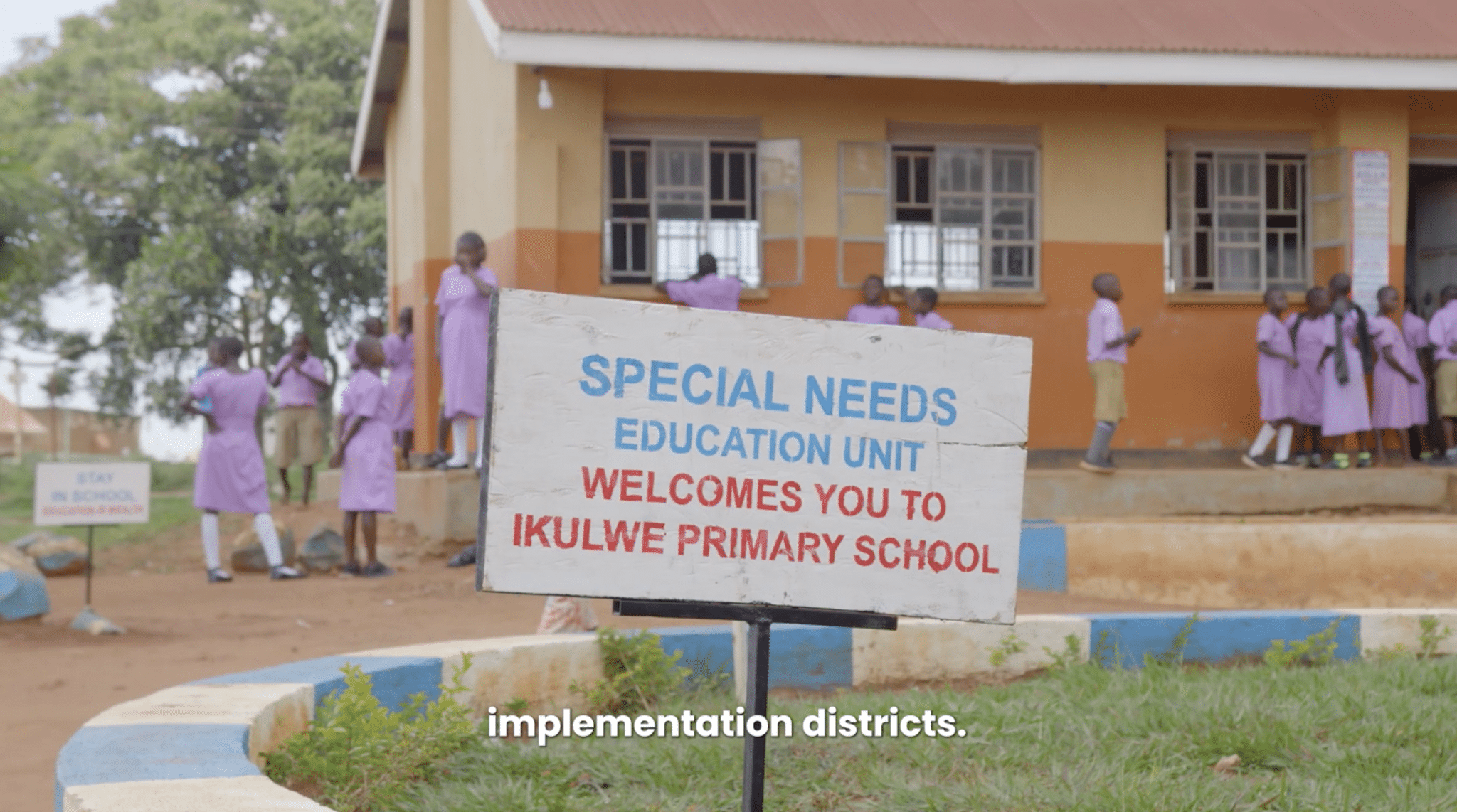
Inclusion: establishing a special needs unit at Ikulwe Primary School after data revealed gaps in inclusive learning
She also noted that Mayuge adopted a School Report Card model inspired by The Gambia—an example of South-South learning facilitated by the HISP network, without reliance on costly international consultants.
Three Shifts the Sector Needs Now
During the panel discussion, three frameworks were highlighted as essential for supporting leaders like Alex, Seedy, Jariah, and Dr. Cleophus:
1. Data Sharing and Governance
Interoperability cannot exist without rules. Government-led frameworks for data privacy, sharing, and security are essential. Ministries—not software providers—must define these standards to allow data to move safely and meaningfully across sectors.
2. Investment in People, Not Products
Too many countries continue investing heavily in proprietary systems that impress during demos but rapidly become obsolete. A more sustainable approach centers on capacity building—developing local developers, national teams, and institutional ownership. Unlike rigid products, local expertise can adapt rapidly to evolving policy demands, such as the shift from MDGs to SDGs.
This principle has guided the University of Oslo’s philosophy for three decades: prioritize people over products.
3. Digital Public Goods
Today’s geopolitical and fiscal pressures have pushed digital public goods (DPGs) to the forefront. Open, adaptable, sovereignty-preserving systems are no longer solutions solely for low- and middle-income countries. Emerging research at the University of Oslo’s HISP Centre indicates that this model is increasingly relevant in Europe as well.
The DPG model—open-source, modular, and capacity-building—has always been the smarter long-term choice. Wealthier nations were simply better positioned to absorb the inefficiencies of expensive proprietary software that never built national capacity.