Ethiopia begins rolling out a DHIS2 Tracker System for Teaching at the Right Level
Education staff in Ethiopia have completed their first hands-on training on a DHIS2 Tracker system that follows individual learners through the TaRL program, replacing paper-based assessment records with longitudinal data that can be compared across baseline, midline and endline.
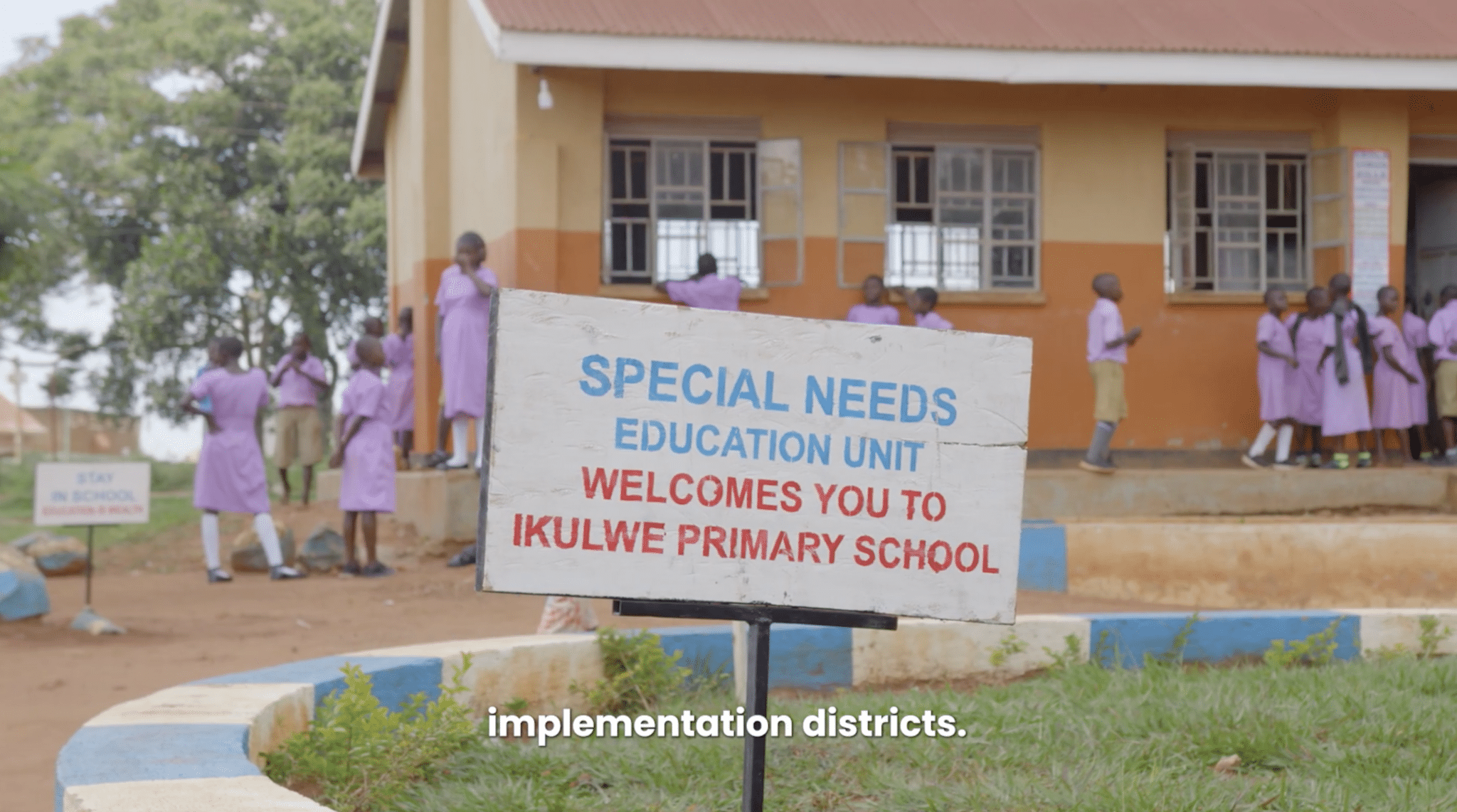
Foundational literacy and numeracy assessments under Ethiopia’s Teaching at the Right Level (TaRL) programme have, until now, been recorded on paper at school level and consolidated by hand. A field visit to four primary schools in South Ethiopia in February 2026 and one school from the South West in July 2026 found that no school kept a comprehensive student register, that the same information was recorded separately for attendance, EMIS and TaRL, and that historical records were difficult to retrieve. Teachers managed data on top of their teaching duties, and several of the schools had neither electricity nor computers.
With support from UNICEF Ethiopia, HISP Ethiopia and the HISP Centre at the University of Oslo have spent the months since then building and testing a TaRL Data Management System on DHIS2 Tracker, working alongside the Ministry of Education, TaRL Africa, Imagine One Day and Light for the World.
Following the learner, not just the school
The system is built around three Tracker programs. The Student program registers each child once and records their placement in TaRL learning groups for literacy and numeracy at baseline, midline and endline, so progress can be followed over time without re-entering demographic data at each assessment cycle. It also captures mental health and psychosocial support (MHPSS) sessions. The Teacher program records training attendance, assessment scores and mentoring visits by Leaders of Practice. The School program tracks inclusive-education infrastructure such as gender-segregated sanitation, menstrual hygiene management facilities and accessibility adaptations for children with disabilities, alongside community feedback and complaint mechanisms.
Validation rules check that totals reported on school summary sheets match the sum of children in each competency group before a record can be saved, catching arithmetic errors at the point of entry rather than months later at regional level.
Training the first users
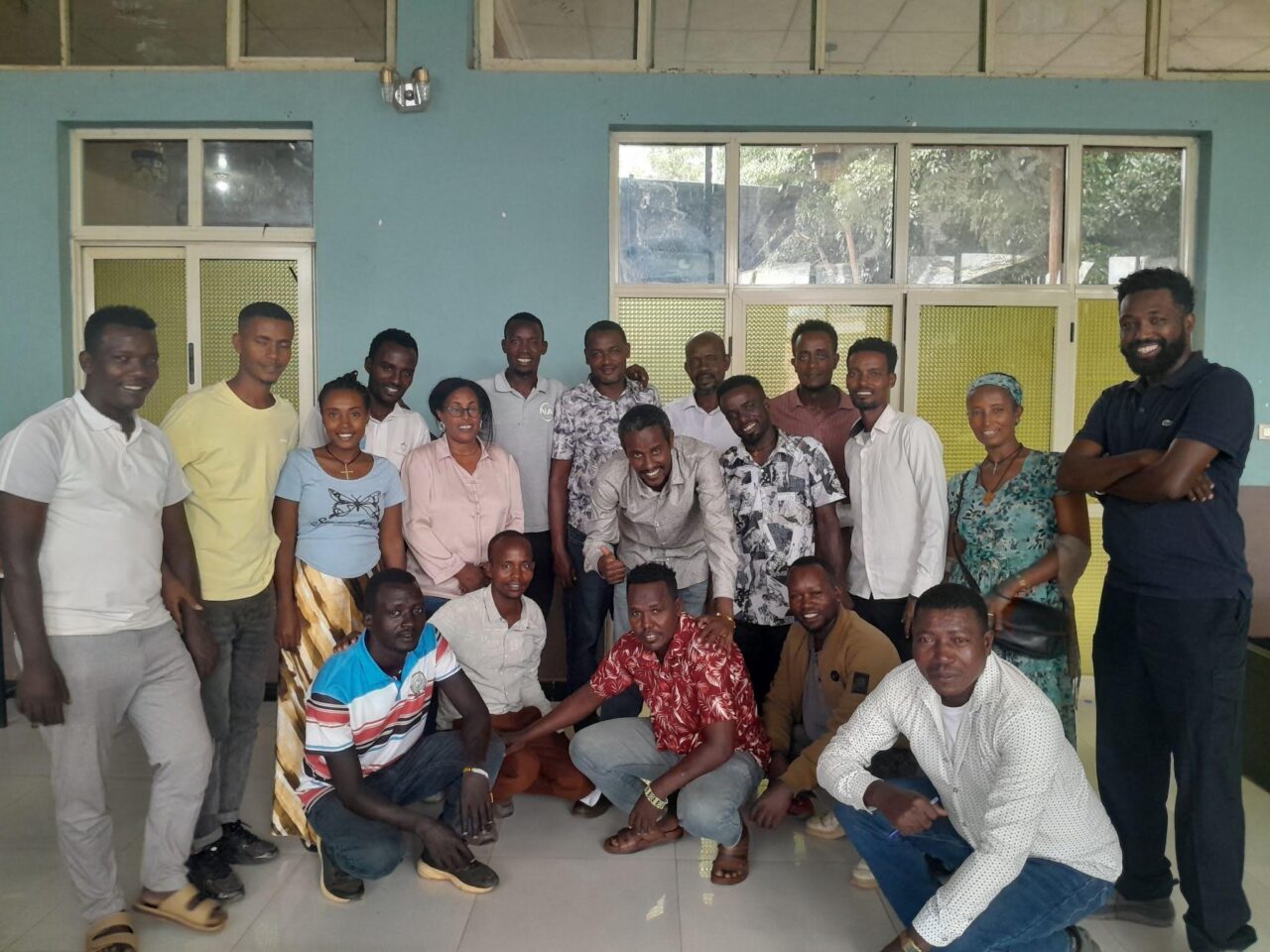
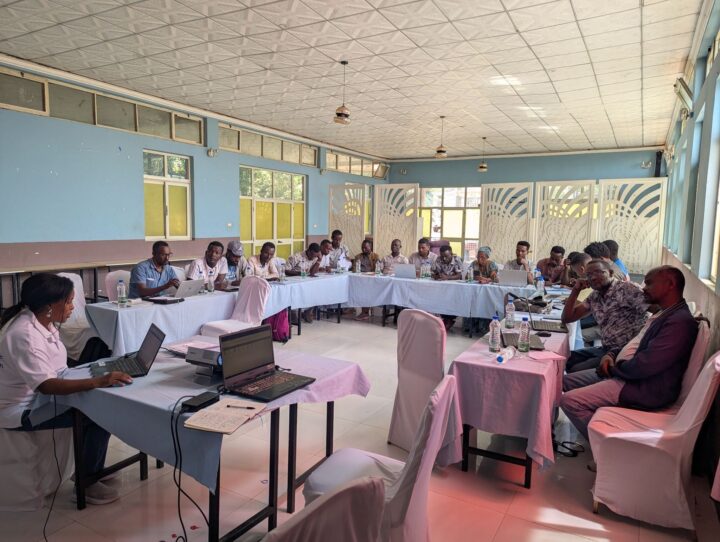
The system was demonstrated to partners in April and May 2026, and then launched with two regional trainings: a three-day workshop in Konso for South Ethiopia Region (9–11 June) and a two-day workshop in Mizan for Southwest Ethiopia Region (15–16 July). Together they brought together 39 participants from the Regional education bureaus, zonal and woreda education offices, pilot schools and implementing partners.
Participants worked through school, student and teacher registration, record search and duplicate checking, mobile synchronisation and validation rules, then moved on to Line Listing, Data Visualizer and building and sharing dashboards. Each training closed with a feedback session; participants asked for bulk student import, user manuals in local languages, corrections to administrative boundaries and, above all, integration with the national EMIS.
Looking ahead
The pilot has also made the practical constraints clear. Most rural schools have no internet connection and few have a working computer, so school principals currently upload data through personal mobile hotspots, and woreda and zonal supervisors are not yet consistently connected to what is happening in TaRL schools. Over the coming months, HISP Ethiopia will provide ongoing technical support to the pilot schools, finalise system enhancements based on training feedback, distribute user manuals and run refresher and mentoring sessions, while continuing work with the Ministry on integration between the TaRL system and the national EMIS.