The Gambia charts a path to data-driven education with DHIS2
Ministry of Basic and Secondary Education utilizes partnerships and learner-centered data systems to fuel evidence-based planning
Stay updated with the latest news on DHIS2 for education including educational projects, research findings, upcoming events, and more.
Ministry of Basic and Secondary Education utilizes partnerships and learner-centered data systems to fuel evidence-based planning
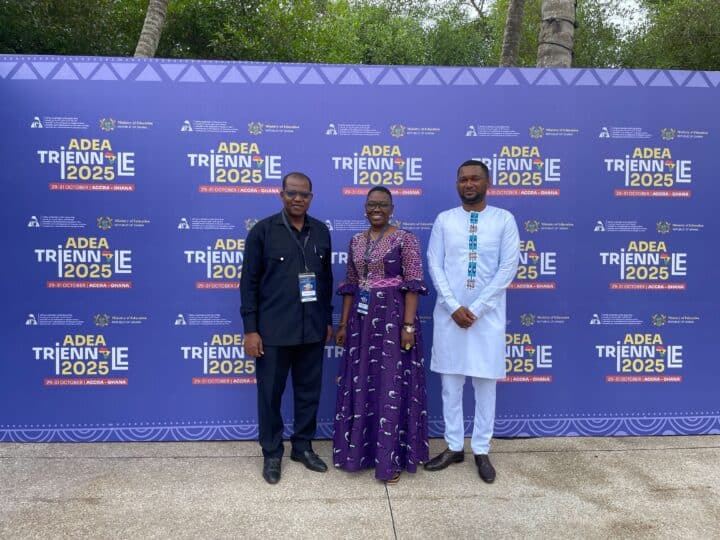
The ADEA Triennale highlighted a major shift in education data systems, showcasing how countries are moving from static EMIS models to adaptable, open-source, people-centered approaches that strengthen governance, interoperability, and local capacity across ministries and districts.
Data visualization transformed Makindye Ssabagabo’s education system by revealing subject performance gaps, streamlining UNEB analysis, and enabling timely, evidence-based decisions that improve school planning, resource allocation, and learner outcomes overall.
Eswatini’s data journey illustrates what is possible when digital systems are not only implemented but actively used to inform decision-making.
Ethiopia has launched DHIS2 for Education to strengthen data-driven decision-making and support the Teaching at the Right Level (TaRL) model through improved data collection, analysis, and use at school, district, and regional levels.
Eswatini’s Ministry of Education and Training, with support from UNICEF and HISP Uganda, has integrated disability indicators into its DHIS2-based national EMIS to strengthen inclusive education data and ensure that all learners are visible in national planning.