
Ethiopia Launches DHIS2 for Education to Strengthen Data Use, Teaching at the Right Level
Ethiopia has launched DHIS2 for Education to strengthen data-driven decision-making and support the Teaching at the Right Level (TaRL) model through improved data collection, analysis, and use at school, district, and regional levels.
Ethiopia has adopted DHIS2-Ed, the open-source education management information system (EMIS) built on the core DHIS2 platform, marking a major step in strengthening how the country collects, manages and uses education data. This move lays the foundation for robust, sustainable data infrastructure at the national, regional, and school levels.
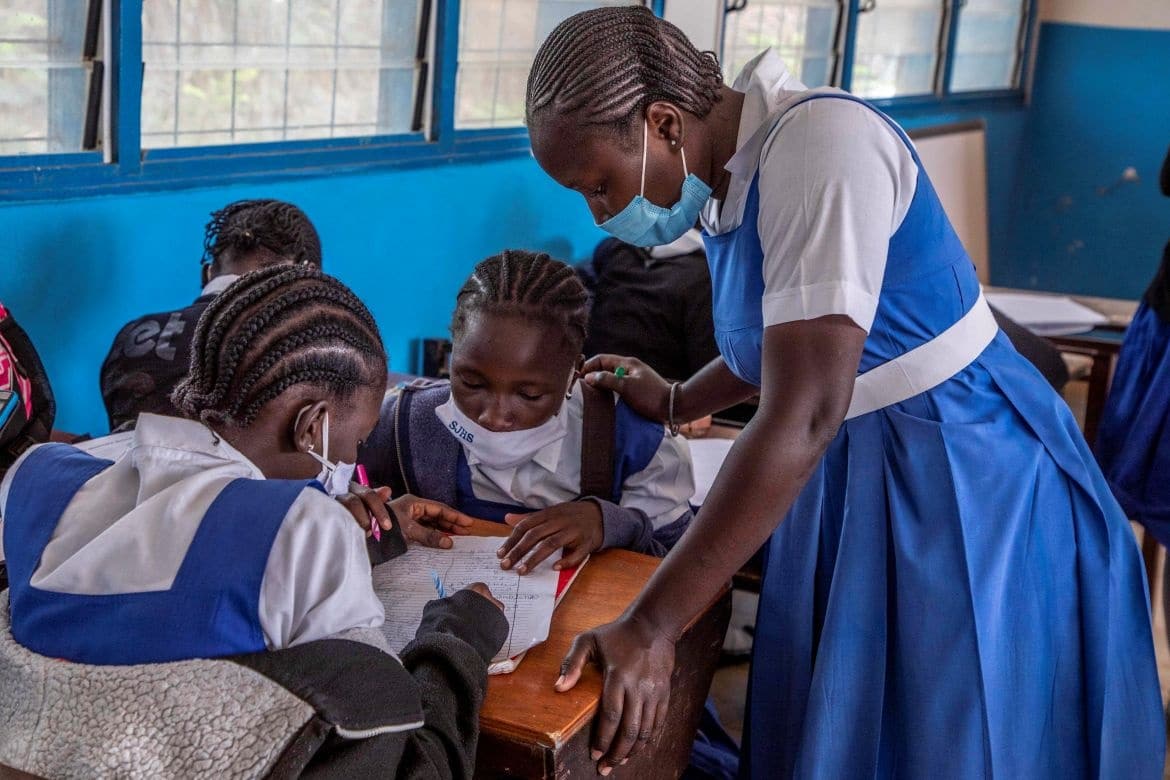
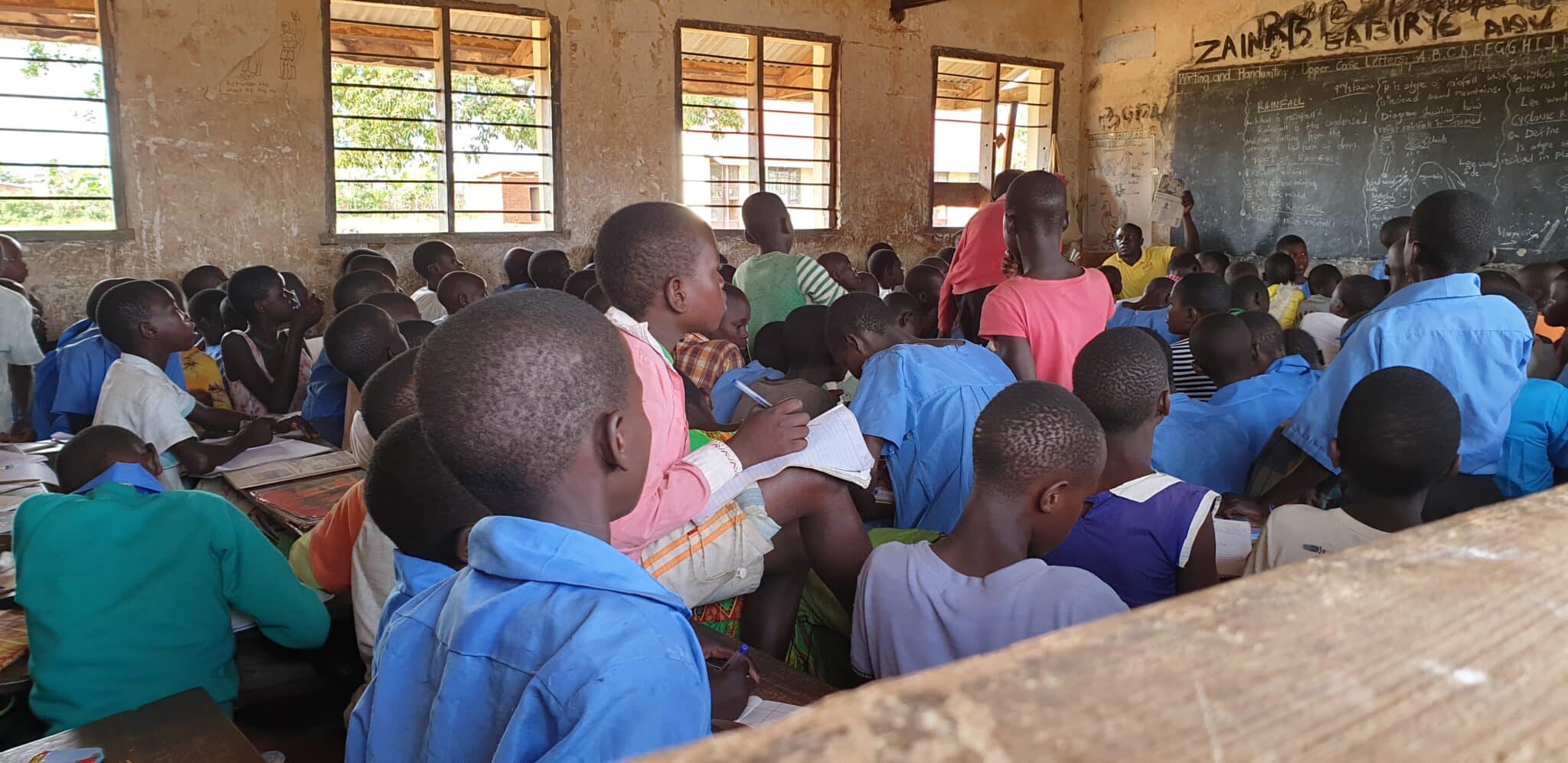
At the same time, Ethiopia faces a significant challenge with learning poverty: a high percentage of children are not developing foundational literacy and numeracy skills. To respond, UNICEF, in collaboration with the Ministry of Education and Regional Education Bureaus (REBs), is implementing and scaling the Teaching at the Right Level (TaRL) model.
TaRL is an accelerated learning approach designed to improve reading and math outcomes. A core component of TaRL is in-class assessment to determine each learner’s actual capacity, allowing teachers to tailor instruction to each student’s level rather than strictly by grade. This targeted method is fundamentally data-driven, and its success depends on strong systems for measurement and monitoring, tracking both student progress and instructor performance.
In November 2025, UNICEF partnered with the HISP Centre at the University of Oslo, working closely with local implementation partner HISP Ethiopia, to provide critical technical assistance to the Ministry of Education and REBs. HISP Ethiopia plays a central role in implementing this support at national and sub-national levels. Together, the partners aim to strengthen the collection, analysis, visualization, and use of educational data to enable better decision-making and support the effective implementation of the TaRL model. As Ethiopia embeds DHIS2-Ed — the fastest-growing EMIS software in Africa — these efforts help ensure that local data can seamlessly feed into national systems.
The project works directly with schools, woreda (district) education offices, and Zonal Education Departments in the SER, SWEPR, Oromia, and Benishangul Gumuz regions. In doing so, it aims not only to support TaRL, but also to build strong, sustainable capacity in data management at all levels, and to operationalize the Ministry’s national EMIS enterprise application at local levels — ensuring that local data systems connect effectively with the national DHIS2-Ed platform.
Key activities to support the TaRL implementation include:
- Supporting documentation for data management guidelines and strategies.
- Developing robust tools to collect accurate and timely data on learning outcomes, student attendance, and other key indicators.
- Building the capacity of teachers, school staff, and local education authorities to analyze this data and transform it into actionable insights.
- Creating user-friendly dashboards to visualize progress, helping schools and woredas (districts) to quickly identify which students need intervention and determine how to allocate resources most effectively.
By fostering a culture of evidence-based planning and ensuring these local data systems are linked with the Ministry’s national education management information system enterprise application, this project will provide the tools to measure the TaRL model’s impact, ensure accountability, and ultimately help improve learning outcomes for children in Ethiopia.